
عن الكتاب
القرآن الكريم وفق رواية حفص عن عاصم ملون طبعة عام ١٤٤١ بخط الخطاط عثمان طه وهذا المصحف هو من نشر مجمع الملك فهد لطباعة المصحف بالمدينة المنورة وهو المصحف الأخضر العادي The Qurʾān: Ḥafaṣ reading in full color. Qurʾān in Arabic, the original language of the revelation. For more information on the Qurʾān please visit (www.quran.com) This is the standard green muṣḥaf that is printed by the King Fahd Quran Printing Complex in Madina, Saudi Arabia. #39 that was printed in 1441/2019. In use from ( 1405/1984 – 1421/2000 ) The Quran complex started printing the Qurʾān and distributing in 1405/1984 and till 1421/2000 the text that was selected was the one that Uthman Taha had written a few years earlier. This is the first Hafs printing. In use from (1422/2001 – 1438/2017) For 1422/2001 Uthman Taha was commissioned to write an exclusive copy with textual improvements for the complex that was in use up to 1438/2016. This is the second hafs printing. Improvements included minimize letter stacking further, better spacing of words, handwriting of the explanatory notes in the back whereas previously a word processor generated text was used. In use from ( 1439/2017 – present 2023) For 1439/2017 Uthman Taha was commissioned to write another exclusive copy for the complex with the following enhancements: Bismalla centered (In the name of God ...) Chapter (Sūra ) headers start on new page Verse (āyāt) numbers don’t start at beginning of the line Further improved text with better space for readability Table of contents single column for the name of each sūra (chapter), with alternating highlights (computer printout) Explanatory notes and informational materials (back pages) was re-writing with larger size writing. N. B. it takes anywhere from 2 to 3 years to handwrite the mushaf by hand so the commission to write it by hand would have been planned a few years before the printing. Per the complex the each page is checked 5 times by a team of scholars. See ( ) The stages are as follows: 1. word stage (where only the words are written without dots or vowel marks) 2. Dot stage where the dots are added to the letters 3. Vowel stage (where the vowel marks are added). 4. 5. Verse number stage, where the verse numbers, sajda markers, hizb, juz markers and other reading aid markers are added. Each stage is checked by scholars and if there are any errors the page is re-done. There are 604 pages, 15 lines per page except the first two pages which have 7 lines per page. The writing style is a modified Naskh style that is suitable for easy of reading that minimizes letter stacking.
كتب أخرى في إسلاميات

من هو؟
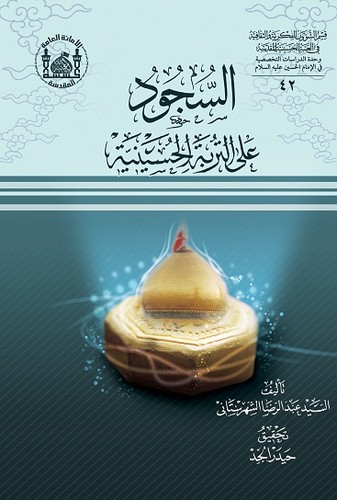
السجود على التربة الحسينية

كتاب تاريخية الفكر العربي الإسلامي

المختصر المؤمل للمدخل المفصل إلى فقه الإمام أحمد بن حنبل اختصار

شفاء العليل في مسائل القضاء والقدر والحكمة والتعليل
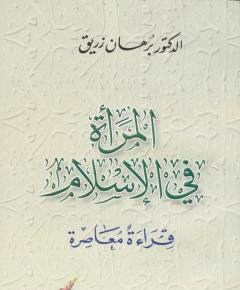
المرأة في الإسلام

المفردات في غريب القرآن

موسوعة التفسير المأثور - الجزء الأول - ملونة جديدة
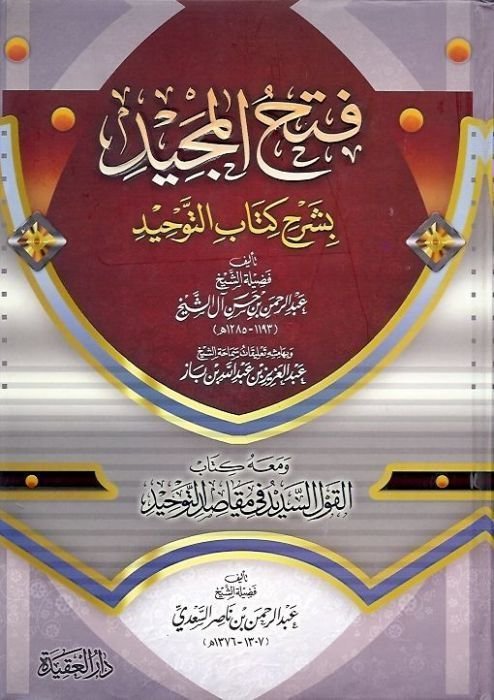
فتح المجيد

Imam Al Tabari Sheikh Of The Interpreters And The Mayor Of The Historians الإمام الطبري شيخ المفسرين وعمدة المؤرخين ومقدم الفقهاء المحدثين صاحب المذهب الجريري

أحكام القرآن للشقيري