

عن الكتاب
تمثّل رثائيّة مالك بن الرّيب ( 57 هـ) نسيجًا نصيًّا متماسكًا يحمل سيرورة تفعيل الوظيفة الاتصالية في عالمين: قبل الموت، وبعد الموت؛ وهذا الخط التواصلي يتطلّب منطقًا سيميائيًا يبرز التمكين العاطفي وفق معطيات موروثة، فـ"الموت" يعبّر عن الفراق، في حين نجد أنّ الشّاعر ظلّ مشاركًا في أحداث ما بعد موته؛ فنصّ الرثائيّة يوظّف المكوّنات السيمائية لإيجاد معانٍ لا تتقاطع مع الموروث المعرفيّ، وهذا التّوظيف السيميائي يفرض تساؤلات من مثل: كيف عملت الوظيفة السيميائيّة على تمكين المعنى غير الموروث في نصّ الرثائيّة؟ وكيف تعمل سيمياء الزّمن في سياق العاطفة؟ على نحوٍ يصبح فيه الشّكل الصّرفي للفعل ( Verb ) معزولا عن وظيفته البنيويّة في السّياق. وللإجابة عن هذه التّساؤلات يدرس البحث رثائيّة ابن الرّيب (57هـ) وفق منهجٍ تحليليّ يسعى إلى قراءة المكوّن السرديّ في ثلاث وظائف سيمائية: الأولى، سيمياء الفاعليّة ( semiotic of subject ) التي تعمل في الرثائيّة كبؤرة محفّزة لفهم النّشاط التخييلي لأحداث Acts تقع بعد الموت، والثانية ، سيمياء الإدراك ( perception )، وسيمياء العاطفة ( emotional )، إذ مثلت الوظيفتان إحالة منفتحة تعمل على إيجاد مقاربة تناقضيّة ( opposite ) بين الوعي (بعد الموت)، واللاوعي (قبل الموت)، والثالثة ، سيمياء المكوّن الزمنيّ، إذ تشكل الزمن وفق مكوّنات سرديّة متعدّدة: أسلوبية ( stylistics )، اسميّة ( Nouns )، جغرافيّة ( Geography )، إنسانيّة ( Humanity )، فعليّة ( verbs ) ، مما يفرض تساؤلات من مثل: كيف أقامت القصيدة خط الربط الجغرافيّ بين خراسان ووادي الغضا باستعمال بنية الزمن (الجغرافي = نجم سهيل)؟ الكلمات المفتاحية : النصّ، السيمياء، السرد، ابن الرّيب، الرثاء Abstract Elegy of Malik bin Al-Rayeb: A Semiotic Study of the Functionality of the Narrative Structure Dr. Ahmad Mohammad Hussein Bsharat Al Wasl University, Dubai, UAE The elegy of Malik bin al-Rayeb (57 AH) represents a coherent textual fabric that carries the process of activating the communicative function in two worlds: before death and after death. This communicative line requires a semiotic logic that highlights emotional empowerment according to inherited data. “Death” expresses separation, while we find that the poet remained involved in the events after his death. The text of the elegy employs semiotic components to find meanings that do not intersect with the cognitive inheritance, and this semiotic employment poses questions such as: How did the semiotic function enable the non-inherited meaning in the elegy text? How does the semiotics of time work in the context of emotion in a way that the morphological form of the verb becomes isolated from its structural function in the context? In order to answer these questions, the article studies the elegy of bin al-Rayeb (57 AH) according to an analytical approach that seeks to read the narrative component in three semiotic functions: the first, semiotics of the subject, which functions in the elegy as a stimulating focus for understanding the imaginative activity of acts that occur after death; the second, the semiotics of perception and semiotics of emotion, as the two functions represent an open referral that works to find a paradoxical approach between consciousness (after death) and unconsciousness (before death); and the third, the semiotics of the temporal component, as time is formed according to multiple narrative components (stylistic, nominal, geographical, human, verbal), which poses questions such as: How did the poem establish the geographical link between Khorasan and Wadi al-Ghada using the structure of time (geographical = Suhail Star)? Keywords : text, semiotics, narration, Ibn al-Rayeb, elegy.
كتب من نفس الفترة (عقد 2020)

غاية البيان في شرح زبد ابن رسلان للإمام شمس الدين محمد الرملي

حاشية البينجويني على حاشية عبد الله اليزدي على متن تهذيب المنطق للتفتازاني للملا عبد الرحمن البينجوني طبعة دار الضياء
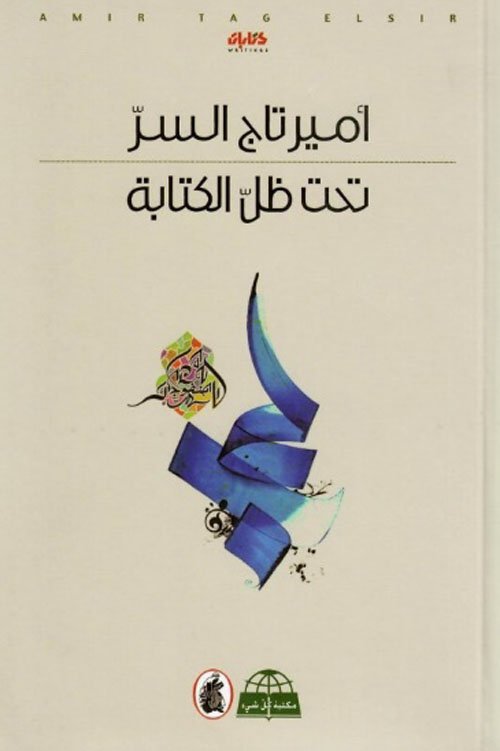
تحت ظل الكتابة

أبو العيد دودو، الجزائر في مؤلفات الرحالين الألمان ( 1)

بناء الأحكام على المقاصد لفهد العجلان طبعة آفاق المعرفة

قوانين الإملاء للدكتور فيصل بن علي المنصور دار درة الغواص

عقود اللجين في بيان حقوق الزوجين للعلامة محمد نووي بن عمر البنتني

فقه آيات الأحكام على مذهب الحنابلة للدكتور عبد الله بن صالح منكابو
كتب أخرى من المكتبة

حاشية الصاوي - ملون

تاريخ الذهبي
بهجة الناظرين
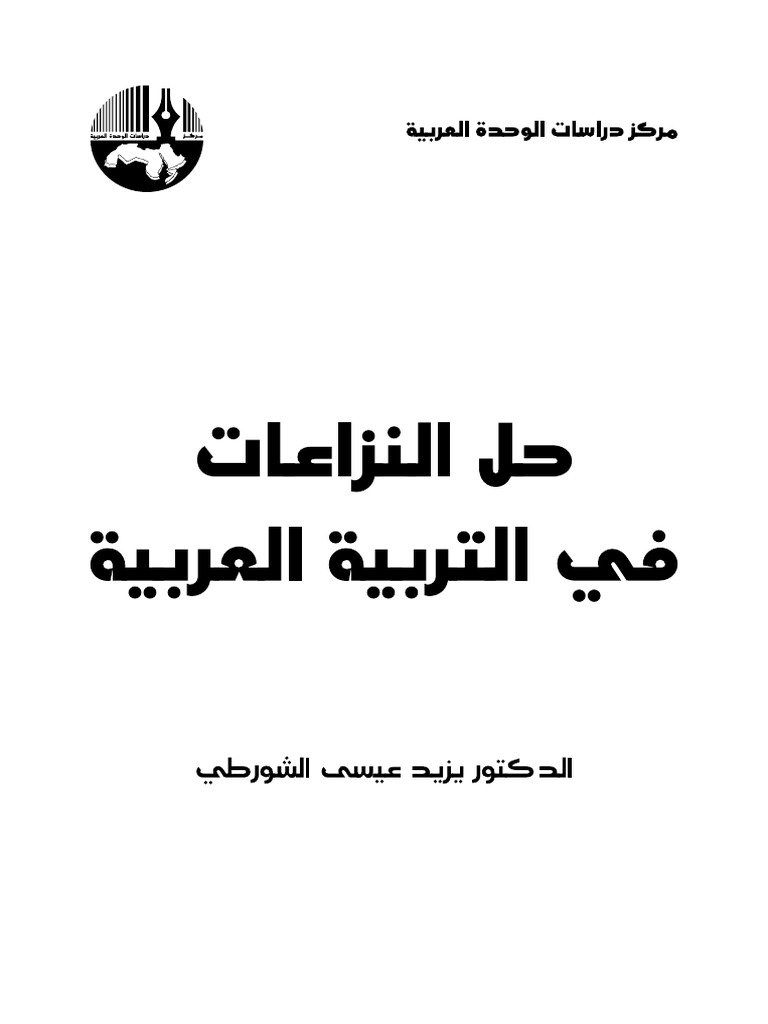
حل النزاعات في التربية العربية

تقرير عن ثقافة السلام فى العالم تقرير المجتمع المد السلام
النفس الانسانية

كتاب صلة الإسلام بإصلاح المسيحية (للشيخ أمين الخولي) تمهيد د. محمد عمارة

مؤسسة المنارة البيضاء للإنتاج الإعلامي
وصية تقي الدين

تحفة المحبين

عن الأسلوب المتأخر .. موسيقى وأدب عكس التيار لـ إدوارد سعيد
